
Off-Campus Arrest Guidein Bryan & College Station, Texas
If you’re a Texas A&M student or the parent of one dealing with an arrest or citation while living off campus, take a breath.
An arrest is not a conviction. But what happens in the first 24–72 hours can affect housing, school, finances, and peace of mind.
For a general overview of what happens after any arrest in Brazos County, start here →Arrested in Brazos County? Start Here.
Start Here: The First 24–72 Hours Matter
Do this first
Do not discuss details with friends, roommates, group chats, or on social media.
Do not “explain your way out of it” to police, campus staff, or property management.
Do not sign statements or agree to “just clear it up” conversations without counsel.
Get legal guidance early—even a short consult can prevent avoidable consequences.
If this situation involves a DWI you can read a full breakdown of that process here →DWI Arrest in Bryan-College Station: What Happens Next?
For Students: What to Say (and Nothing More)
If you are arrested or questioned in Texas, you have the right to remain silent and the right to speak with a lawyer.
Use one sentence and stop:
“I choose to remain silent and I want to speak with a lawyer.”
That’s it.
No story. No context. No “I was just…” No “Let me explain…”
Even well-meaning details can get misunderstood, written down incorrectly, or used out of context later.
Stress makes people ramble. When you’re shaken up, it’s easy to overshare or guess at details.
Your words can be summarized. Notes aren’t always exact, and “close enough” can change the meaning.
Small details can be repeated later. A casual explanation can be quoted without your full context.

For Parents & Guarantors: Slow Things Down

Parents are often pulled in quickly—sometimes before they even have accurate information.
Before responding to anyone (including property management), try to gather:
What is the exact charge (not rumors)?
Was there a citation or an arrest?
Is there a court date?
Is your student being asked to sign anything?
A calm plan early often prevents housing and school problems later.
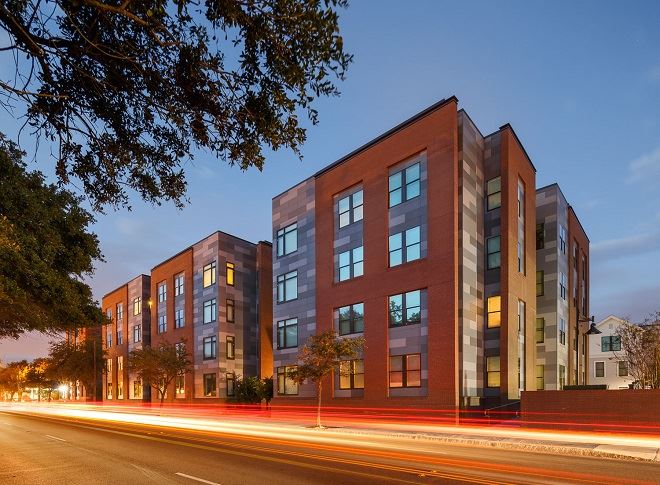
How a Criminal Case Can Affect Off-Campus Housing (College Station / Bryan)
Many off-campus leases include clauses about conduct or criminal activity. What matters is the lease language, the timing, and the facts.
Important things to understand:
An arrest alone does not automatically terminate a lease.
Outcomes often depend on specific lease terms and what the property claims happened.
Property management may hear about an incident through police activity, reports, or neighbors.
Parents/guarantors may be contacted—sometimes with urgent language.
What to avoid
Don’t send long explanations by email or text.
Don’t admit fault “just to keep the peace.”
Don’t agree to move-out dates, inspections, or rule violations without understanding consequences.
If housing is involved, strategy matters—especially when communication is already tense.
When Speaking With a Lawyer Helps
A Texas criminal defense attorney can:
Explain the charge and what happens next
Protect a student’s rights during questioning
Help you avoid statements that create problems later
Advise how the case may (or may not) affect off-campus housing
Help families respond calmly and appropriately